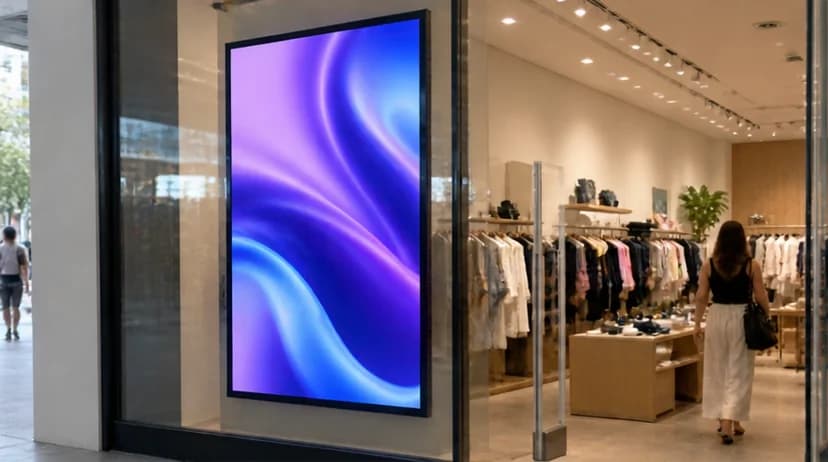
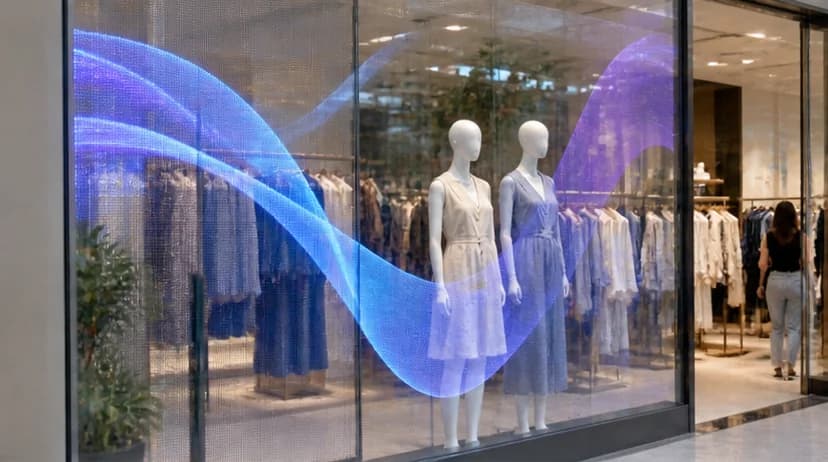
Products stay visible
Campaign content can sit over the glass while the range, hero product or store interior still does the selling.
A transparent screen should earn its place in the window. It needs to pull people toward the product, not cover it with another layer of noise.
C9 GROUP helps retailers, shopping-centre teams and showroom operators plan the right approach: transparent LED, a product showcase, a mall activation screen, or a simpler display when readability matters more.
Best for retail windows, product launches, showcases, malls and glass-facing customer spaces.
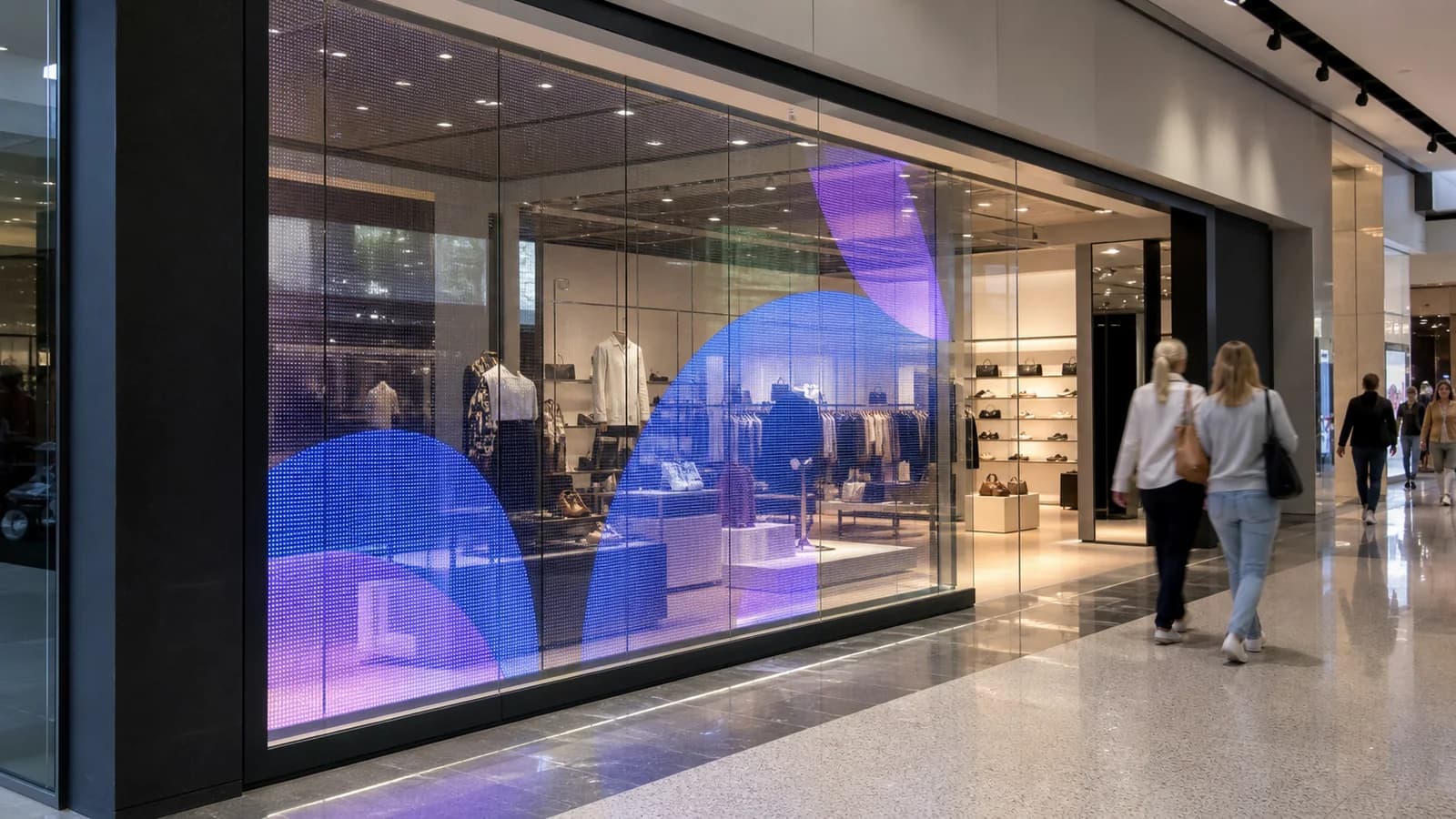
These screens are strongest when the product, the store interior or the glass itself is part of the selling moment. They are not a shortcut for every shopfront.
If the message is a price list, menu, opening hours or long notice, C9 will usually look at a standard commercial display first. If the job is a product reveal, launch moment or premium window story, transparent planning is worth exploring.

Transparent hardware earns its place when it helps people notice the product without closing off the view into the store.
Campaign content can sit over the glass while the range, hero product or store interior still does the selling.
A strong fit for launches, showcases and mall-facing windows where a normal screen would feel too heavy.
C9 checks glare, reflections, tint, viewing distance and mounting before recommending transparent hardware.
Short campaign updates, schedules and publishing roles can be managed through Lumina after handover.
C9 plans the screen type, glass location, content contrast, Lumina workflow, installation access and support model together so the display remains useful after opening day.


Built for retailers who need attention from the walkway without hiding the products inside.
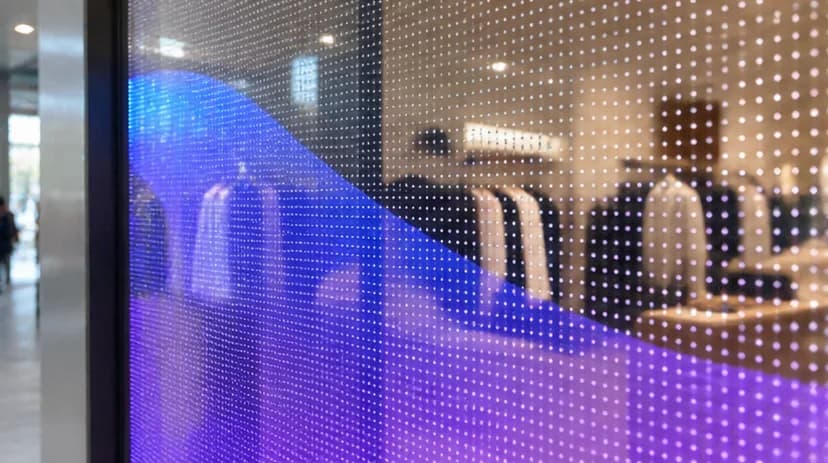
glass-facing retail
Window specific · Pixel pitch matched
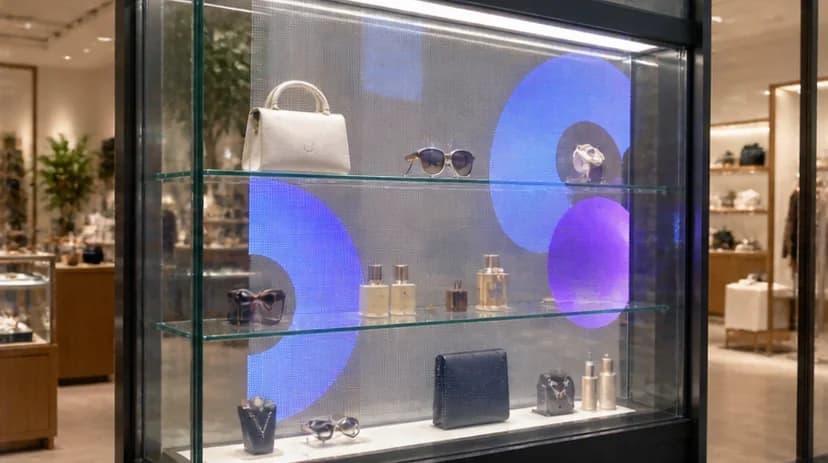
see-through showcase
Showcase specific · Mapped content
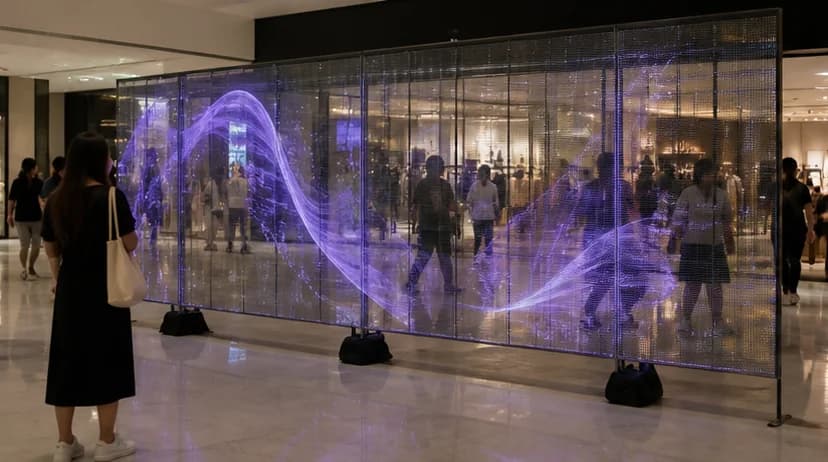
campaign frontage
Site specific · Viewing-distance LED
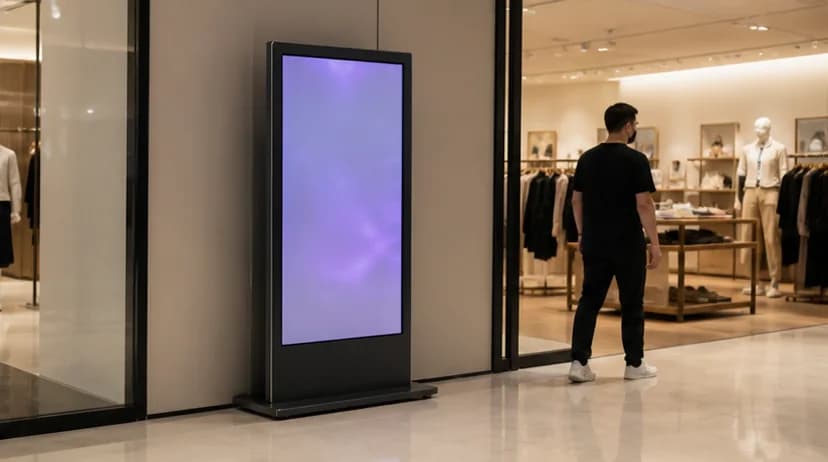
clearer fallback
43 to 98 inch class · 4K commercial
The best transparent display work is restrained. Short campaign lines, product reveals, motion accents and visual layers give shoppers a reason to stop while still letting them see what is inside.

The screen should support the product or store interior, not hide the reason people stop.
Transparent content is strongest for simple offers, launch visuals and motion cues rather than dense copy.
Daylight, reflections, glass tint and store lighting have to be reviewed before recommending hardware.
Lumina keeps windows, launches and seasonal campaigns easier to schedule and update after installation.
Transparent screens can be powerful, but only when the use case is clear. C9 helps confirm whether the display improves the sales moment, whether the site can support it and whether your team can keep the content fresh.
Use case
If seeing the product or store interior matters, transparent display can help. If the message just needs to be read, a normal screen is often clearer.
Site
We review glare, tint, reflections, daylight, mounting, power and where customers stand before recommending a transparent approach.
Content
Transparent displays need simple campaign content and a clear publishing rhythm, which Lumina can support after handover.
Transparent display projects touch store design, landlord or centre rules, content, cabling, install access and support. C9 keeps those pieces connected so the final screen is something the team can actually run.
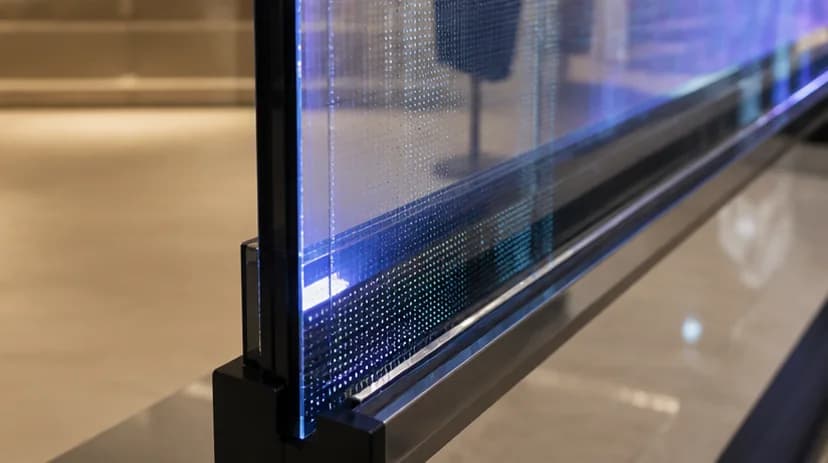
Hardware is shortlisted around glass size, viewing distance, ambient light, mounting access and whether the display needs to sit in a window or showcase.
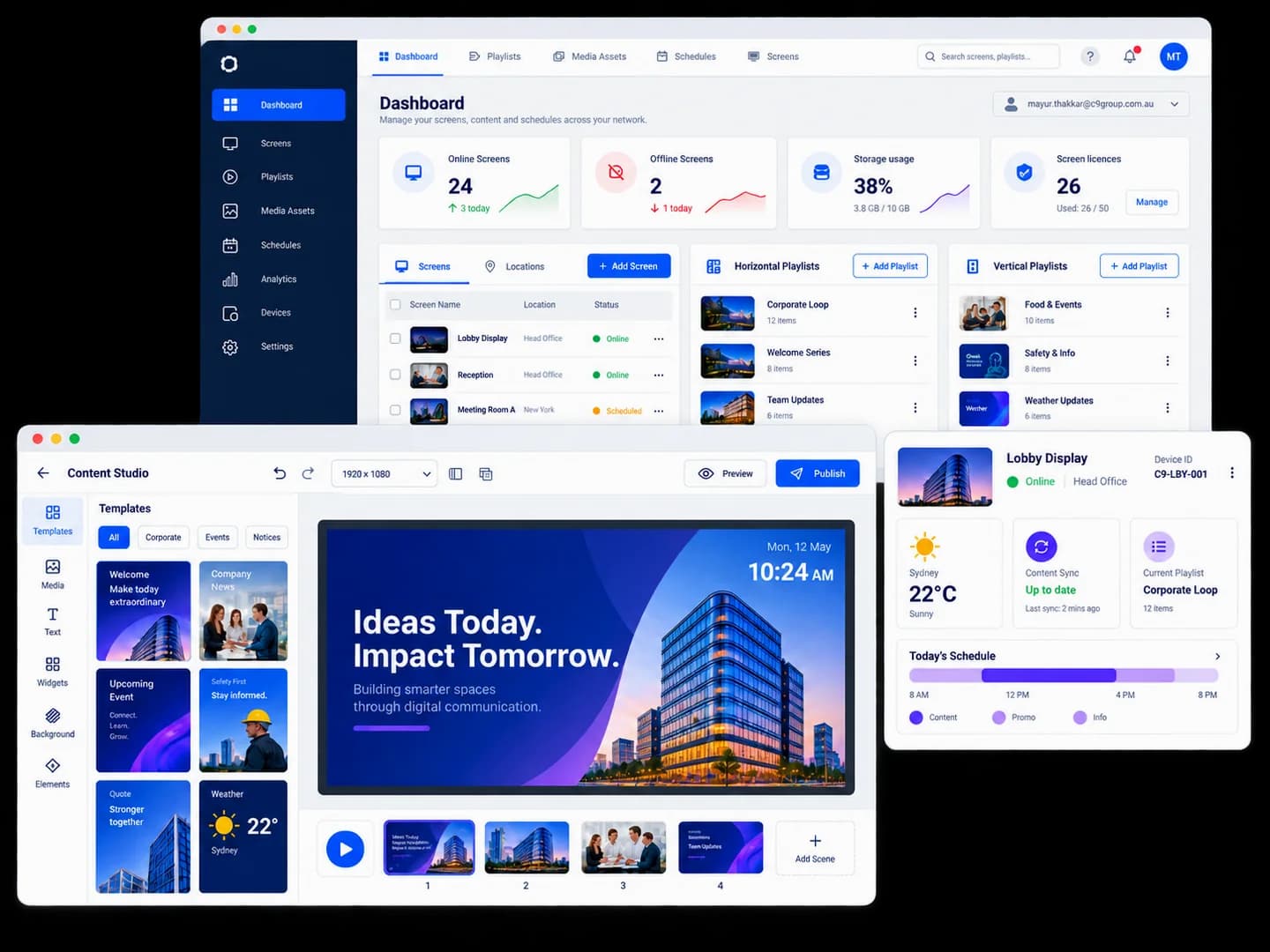
Campaign timing, playlists, publishing permissions and handover are planned so retail teams can keep the window useful week after week.
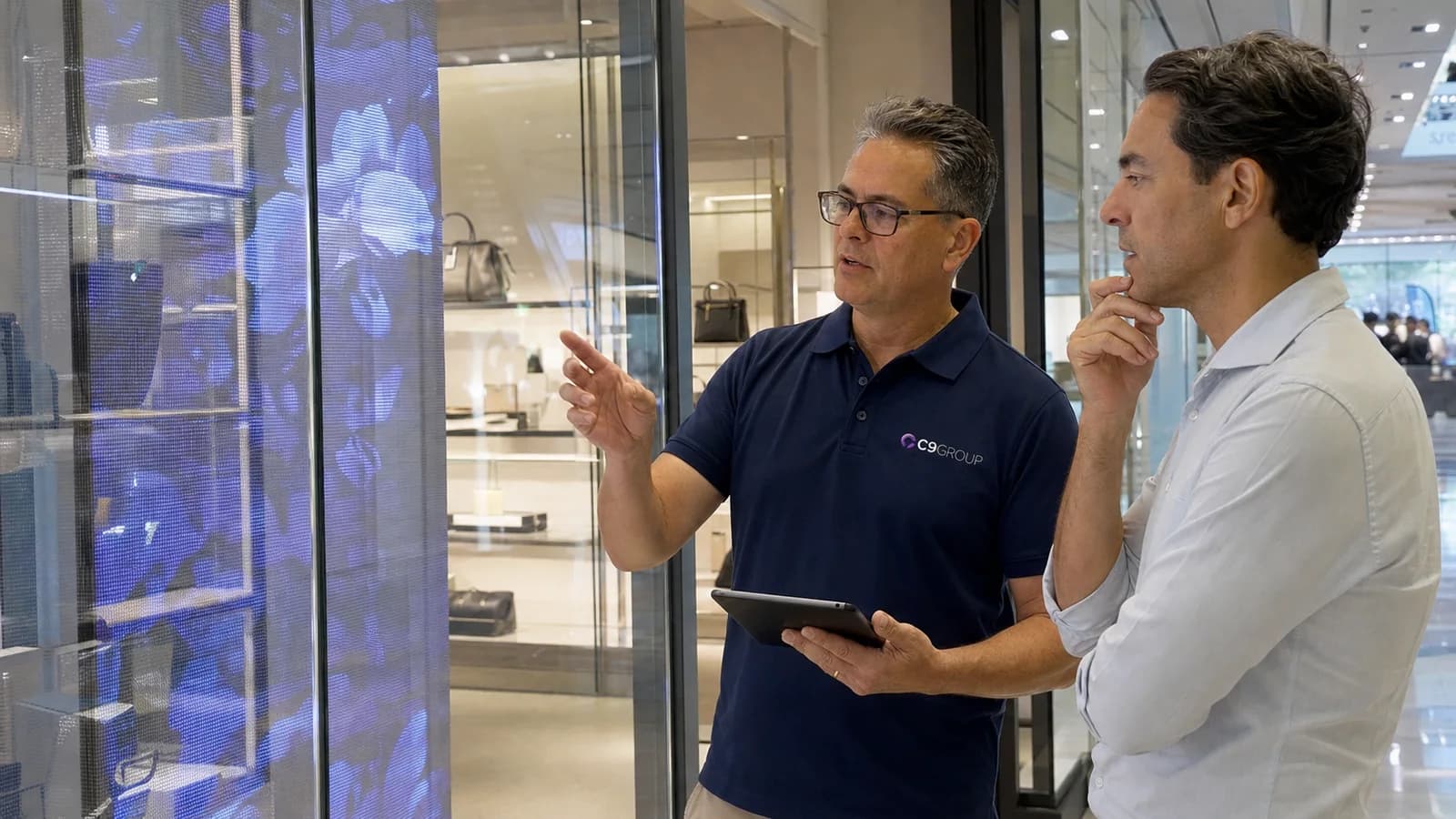
C9 coordinates site review, install readiness, cabling, network access, centre requirements and support once the screen is live.
C9 compares transparent LED, showcase displays, mall activation screens and standard screen alternatives so the final recommendation is based on sales impact, readability and support.
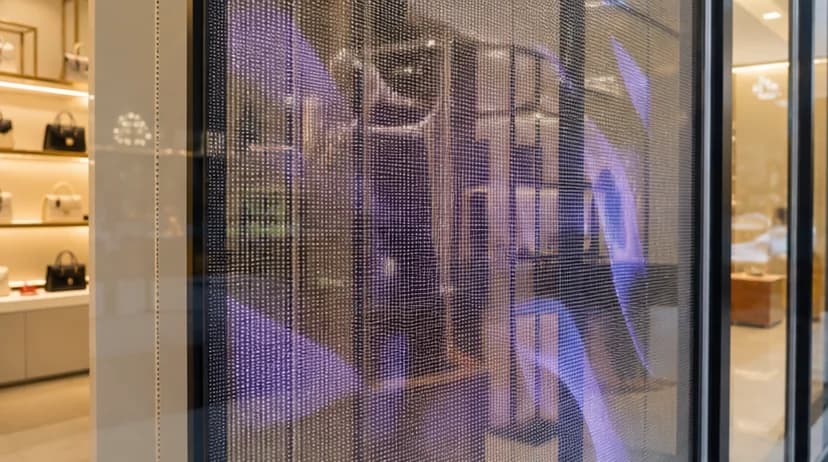
glass-facing retail
For store windows where the campaign needs to stop people without hiding the product range behind the glass.
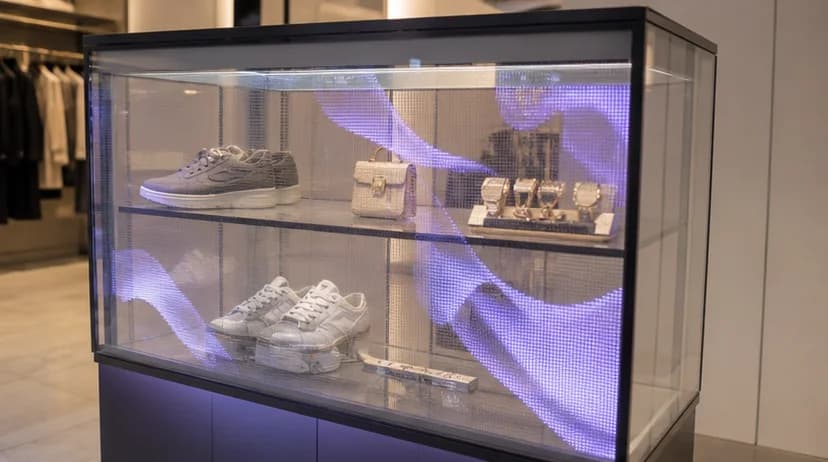
see-through showcase
For hero products where the screen adds price, story or launch content while the physical product remains the reason to look.
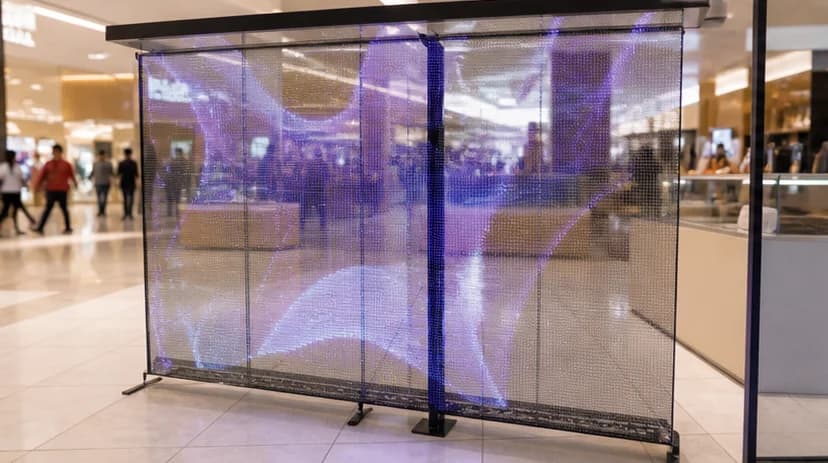
campaign frontage
For shopping-centre launches, pop-ups and high-traffic retail moments where the display has to attract from the walkway.
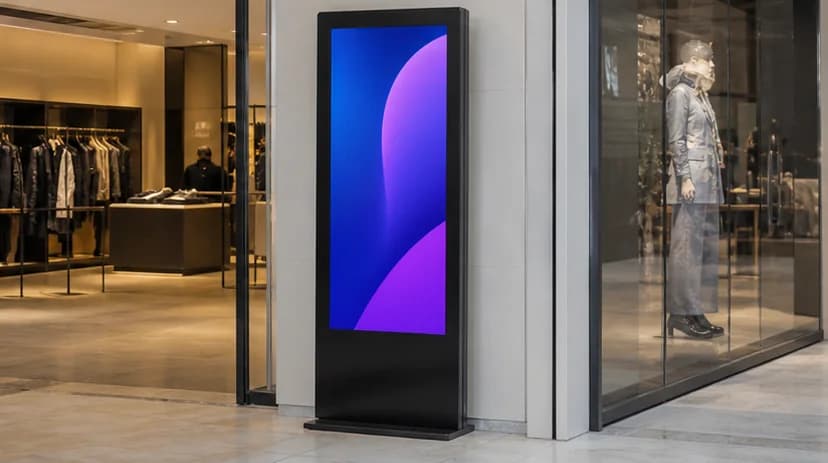
clearer fallback
For sites where a normal commercial display, LED wall or ultrawide screen will be clearer and easier to support.
A transparent display succeeds or fails in the physical site. C9 checks the shopfront, message, lighting and operating model before turning the idea into a proposal.
People need to see inside
Shopfront transparent LED
Useful when the window should attract attention while still showing the store and product range.
The product is the hero
Showcase display
Use transparent content as a layer around the product, not as a replacement for the product.
The site has heavy glare
Brightness and reflection review
Glass tint, daylight and mall lighting need to be checked before recommending transparent hardware.
The content has lots of text
Standard display option
Transparent screens are usually not the best place for dense copy, pricing tables or long notices.
The campaign changes often
Lumina workflow
Playlist scheduling and publishing roles should be planned before install so updates stay controlled.
The install is in a centre
Access and approvals
Mounting, cabling, landlord rules and after-hours work need to be understood before quotation.
Window size, glass tint, reflections, mounting position, service access and cable path.
Campaign length, contrast, viewing distance, daylight, product visibility and text size.
Lumina playlists, publishing roles, network access, support ownership and rollout timing.
We check the window, showcase or frontage, including glare, reflections, visibility, mounting and cable access.
C9 compares transparent LED, showcase displays and standard screen alternatives before locking in a direction.
Short messages, motion, campaign timing and product visibility are planned before creative production starts.
Playlists, schedules, screen groups and publishing roles are configured so the retail team can manage updates.
Mounting, power, network access, centre requirements and after-hours work are coordinated around the site.
C9 keeps the support path clear after launch for troubleshooting, content changes and future campaign planning.
ACTIVE STAGE
Site and glass review
We check the window, showcase or frontage, including glare, reflections, visibility, mounting and cable access.
Choose which optional analytics and live chat tools C9 GROUP may use. You can change this later from the footer.